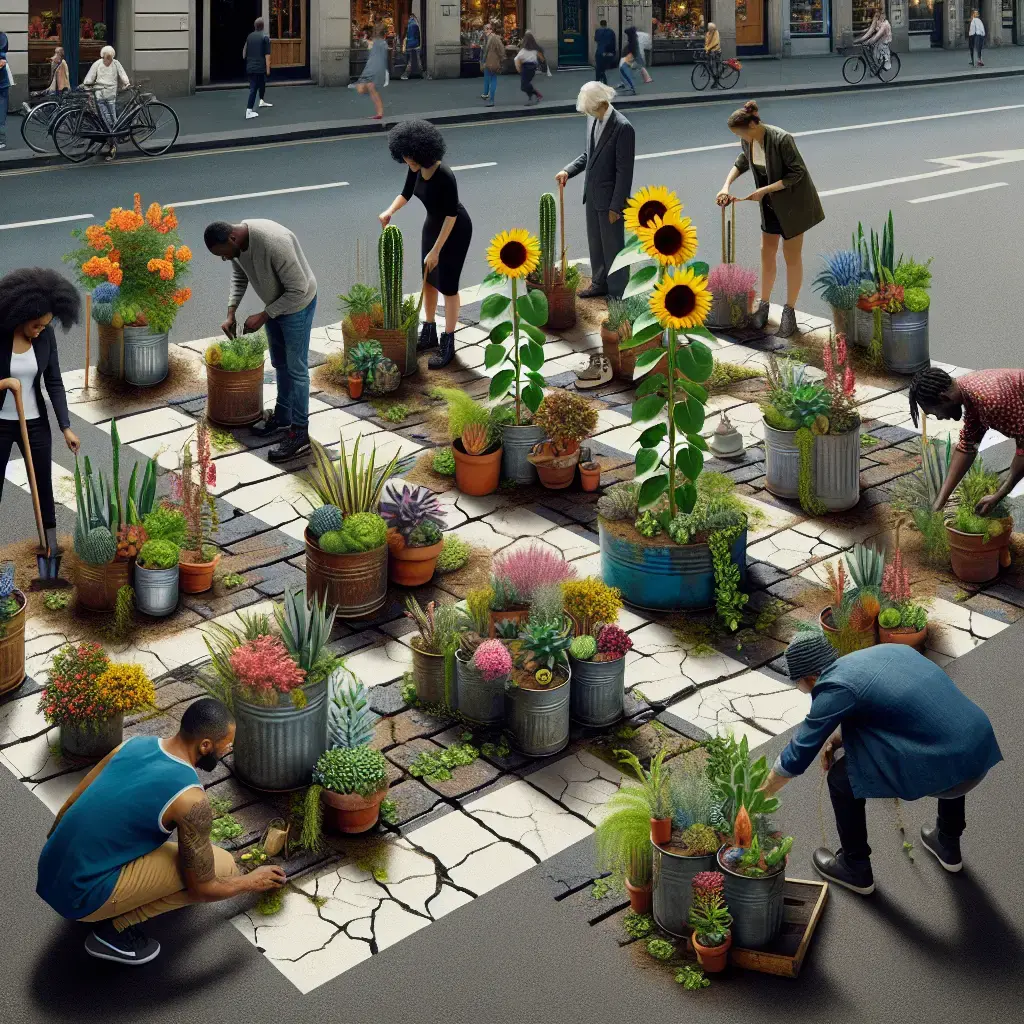
Revitalizing Urban Spaces through Guerilla Gardening
In the bustling world of urban environments, the creative spirit of guerilla gardening is transforming forgotten corners into vibrant urban green spaces. This innovative movement, led by passionate individuals and community groups, embraces the art of urban gardening to cultivate pockets of life amidst concrete landscapes. With a focus on sustainability and eco-friendly gardening, guerilla gardeners are redefining cityscapes by introducing resilient plants that thrive in challenging conditions. As cities continue to grow, these urban rewilding efforts not only enhance aesthetic appeal but also bolster urban biodiversity, offering refuge for pollinator-friendly plants and wildlife.
The Role of Resilient Plants in Urban Environments
Urban environments present unique challenges for plant growth, including pollution, limited space, and fluctuating climatic conditions. Resilient plants play a pivotal role in guerilla gardening by adapting to these adverse conditions. According to a 2023 study published in Urban Forestry & Urban Greening, species such as sedum and yarrow thrive in urban settings due to their robust nature and low maintenance requirements. These plants not only survive but also contribute to the aesthetic and ecological richness of urban areas by supporting pollinator-friendly plants and wildlife (source).
The Importance of Low Maintenance Plants
Low maintenance plants are essential for guerilla gardening projects, often carried out in neglected spaces without regular care. Native plants, which are well-adapted to local climates, are particularly beneficial. They require minimal intervention while supporting local ecosystems. The 2023 Native Plant Society of America report highlights that native species like black-eyed Susan and purple coneflower are excellent choices for urban gardening as they flourish with little human intervention and bolster local biodiversity (source).
Drought-Tolerant and Shade-Tolerant Species: Key Players
Incorporating drought-tolerant plants like lavender and sage into guerilla gardening projects is a sustainable gardening strategy, especially in areas with limited water access. These plants conserve water resources while maintaining vibrant greenery in urban settings. Similarly, shade-tolerant species such as ferns and hostas are ideal for areas shadowed by tall buildings or overpasses. A recent article from The Sustainable Gardener (2024) emphasizes that these plant choices not only save water but also thrive in the varied light conditions typical of urban spaces (source).
Fast-Growing Plants and Wildflowers: Instant Impact
For those eager to see immediate results, fast-growing plants and wildflowers for guerilla gardening offer quick bursts of color and vitality. Sunflowers and cosmos are excellent examples, providing rapid visual impact that energizes both the landscape and the community. A case study from a 2023 London guerilla gardening initiative demonstrated how planting a mix of fast-growing wildflowers revitalized a neglected park within months, drawing community attention and participation (source).
Edible Plants: Cultivating Community Engagement
Edible plants not only add beauty to urban gardens but also encourage community gardening initiatives. By growing herbs, vegetables, and fruits like cherry tomatoes and strawberries, city dwellers can foster a deeper connection with nature while contributing to urban food production. In 2024, City Harvest reported that incorporating edible plants into public space gardening projects has empowered local communities, offering both nutritional benefits and educational opportunities (source).
The Case for Native Plants in Urban Rewilding
Native plants are crucial for urban rewilding efforts aimed at restoring natural habitats within city environments. By introducing flora that naturally belongs to the region, guerilla gardeners promote sustainable gardening practices that align with ecological conservation goals. A 2023 survey conducted by Ecology Today found that urban spaces enhanced with native plants like milkweed and goldenrod experienced increased pollinator visits, thereby boosting urban biodiversity (source).
Integrating Eco-Friendly Gardening Principles
Eco-friendly gardening principles are at the heart of successful guerilla gardening projects. This involves selecting plant varieties that support ecological balance while minimizing environmental impact. Composting organic waste on-site and using natural pest control methods are practices that align with these principles. A recent discussion in Green Living Magazine (2024) highlighted how these sustainable practices not only enhance the health of urban green spaces but also inspire collective stewardship among city residents (source).
Practical City Gardening Tips for Enthusiasts
For those new to guerilla gardening or looking to refine their techniques, several practical city gardening tips can ensure success:
- Assess the Site: Evaluate light conditions, soil quality, and space availability before choosing plants.
- Select Diverse Species: Opt for a mix of low maintenance plants, shade-tolerant species, and fast-growing varieties to create a dynamic garden.
- Prioritize Native Flora: Incorporate native plants to support local ecosystems and reduce maintenance needs.
- Engage the Community: Host workshops or planting events to involve local residents and build community spirit.
These strategies, detailed in the 2024 edition of Urban Gardener's Handbook, provide a comprehensive approach to transforming city spaces into thriving oases (source).
Conclusion
As we navigate the complexities of modern urban living, creative plant choices for guerilla gardening offer a pathway to reclaiming forgotten spaces and nurturing biodiversity within city limits. By selecting resilient plants adapted to local conditions, engaging communities through edible gardens, and adhering to sustainable practices, urban gardeners can transform neglected areas into vibrant urban green spaces. These efforts not only enhance the visual appeal of cities but also inspire a collective commitment to environmental stewardship—a vital endeavor as we strive for more sustainable living environments.
As we continue to explore creative ways to nurture nature within urban landscapes, I invite you to reflect on your own experiences with urban gardening. What challenges have you faced, and what successes have you celebrated? Share your insights and stories in the comments below. Together, we can inspire more people to join this green movement and transform our cities into thriving ecosystems.
Thank you for joining me on this journey towards greener urban environments. Let's keep cultivating change, one garden at a time.
Author: Emma Lawson