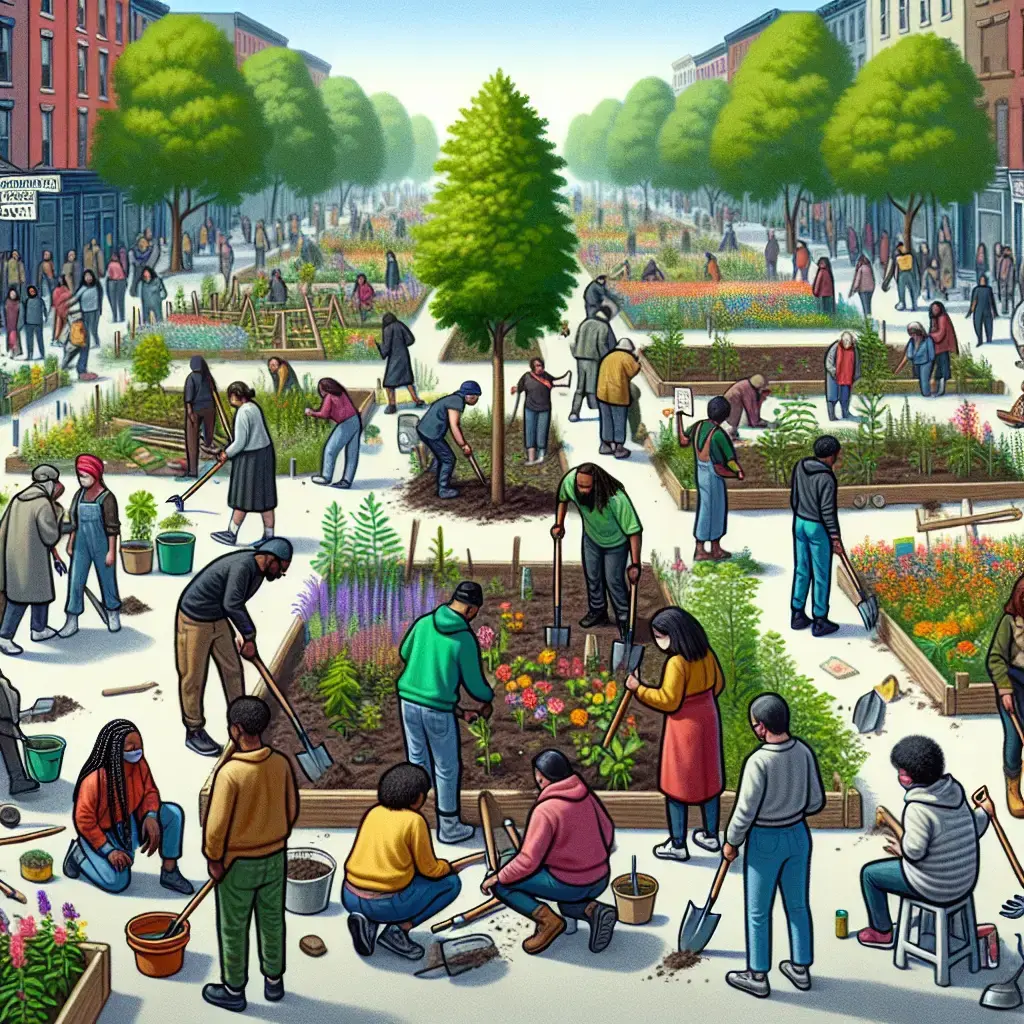
Unveiling the Green Potential of Urban Landscapes
In the heart of bustling cities lies an untapped potential for beauty and sustainability—vacant lots. Often viewed as urban blight, these neglected patches are ripe for transformation through the dynamic practice of guerilla gardening. This innovative approach champions the conversion of forgotten spaces into thriving green urban areas, fostering community gardening initiatives and sustainable urban gardening practices. By harnessing the power of urban agriculture and permaculture, guerilla gardeners are redefining city gardening strategies with a focus on eco-friendly gardening and community green spaces.
The Need for Transforming Vacant Lots
As urban areas continue to expand, the need for transforming vacant lots becomes increasingly pressing. Guerilla gardening offers a hands-on, DIY solution for turning these spaces into vibrant hubs of life and growth. This movement not only beautifies neglected areas but also promotes urban gardening tactics that enhance biodiversity and support local ecosystems. Community members are encouraged to participate in vacant lot gardening, cultivating a sense of ownership and pride in their neighborhoods.
Engaging in these city gardening strategies creates a ripple effect, inspiring others to join the movement and contributing to broader urban renewal efforts. Integrating permaculture principles ensures these efforts provide sustainable solutions benefiting both people and the planet. Eco-friendly gardening methods employed in guerilla gardening enhance soil health, improve air quality, and provide a haven for urban wildlife.
Understanding the Terrain: Assessing Vacant Lots
Before diving into transformation efforts, it's crucial to understand the specific characteristics of the vacant lot. Consider soil quality, sunlight exposure, and local climate conditions. By analyzing these factors, guerilla gardeners can select suitable plants and design layouts aligned with urban gardening tactics. For instance, a study by the University of Michigan highlights the importance of soil testing to determine nutrient levels and contamination risks.
Strategic Plant Selection: Promoting Biodiversity
Plant selection is central to transforming vacant spaces. Opt for native species that support local ecosystems and require minimal maintenance. Native plants thrive in their natural environment, making them ideal for sustainable urban gardening. Incorporating permaculture principles, such as companion planting, can further enhance biodiversity. Urban agriculture initiatives, like those in Detroit, have successfully integrated native plantings to create self-sustaining ecosystems within city gardening strategies.
Community Involvement: Building Green Urban Spaces Together
The essence of guerilla gardening lies in community engagement. Transforming vacant lots into community green spaces fosters a sense of ownership and pride. Encourage local residents to participate by organizing workshops and planting events. These gatherings provide hands-on DIY gardening experience and strengthen community bonds. A recent initiative in New York City demonstrates the power of community gardening through its "Green Thumb" program.
Implementing Sustainable Practices: Eco-Friendly Gardening Techniques
Sustainability is a cornerstone of effective guerilla gardening. Implement techniques that enhance soil health and minimize environmental impact. Consider using compost to enrich soil quality and rainwater harvesting systems to conserve water. These methods support plant growth and contribute to a healthier urban ecosystem. A case study from Los Angeles showcases how swale systems reduced urban flooding while supporting lush greenery.
Engaging Local Authorities: Navigating Legal Challenges
While guerilla gardening is often seen as an act of rebellion, engaging with local authorities can facilitate smoother project implementation. Approach city councils with proposals emphasizing the benefits of transforming vacant spaces into green urban areas, such as improved air quality and increased biodiversity. The "Adopt-a-Lot" program in Philadelphia exemplifies successful collaboration between guerilla gardeners and local governments.
Creative Design Elements: Elevating Urban Gardening Aesthetics
Beyond functionality, consider the aesthetic appeal of your guerilla gardening project. Incorporate artistic elements such as colorful murals or repurposed materials for garden structures. These creative touches not only beautify the space but also draw attention to the transformative power of urban gardening tactics. In Portland, Oregon, a group transformed a neglected lot into a community garden featuring art installations made from recycled materials.
Monitoring and Maintenance: Ensuring Longevity
The journey doesn't end once a vacant lot is transformed; ongoing maintenance is crucial for sustained success. Develop a plan for regular upkeep, including weeding, watering, and pruning. Engage community members in these activities to maintain their connection to the project. Consider establishing a "garden committee" responsible for coordinating efforts. For example, the Chicago Botanic Garden supports community gardens by providing training sessions on seasonal maintenance practices.
Inspiring Others: Spreading the Movement
One of the most powerful aspects of guerilla gardening is its ability to inspire others. Document your project's progress through social media or local news outlets to share your story and encourage others to embark on similar initiatives. Highlight success stories and lessons learned to provide a roadmap for those interested in urban renewal gardening. The #GuerillaGardening hashtag on Instagram showcases a global community of enthusiasts sharing their experiences and innovations.
Conclusion: Cultivating a Greener Future
The transformative power of guerilla gardening lies in its ability to convert neglected urban landscapes into vibrant green urban spaces. By implementing strategic urban gardening tactics and fostering community involvement, these projects promote biodiversity, enhance local ecosystems, and contribute to broader urban renewal efforts.
As we embrace these practices, we not only enhance our cities but also inspire others to join the movement toward a more sustainable future. By transforming vacant lots into vibrant green spaces, we contribute to the well-being of our communities and the planet.
Let's continue to harness the untapped potential within our urban landscapes. I invite you to share your experiences or thoughts on this topic. How have you contributed to greening your city? What challenges have you faced, and what successes have you celebrated? Together, let's cultivate a brighter urban future.
Happy planting!
Emma Lawson