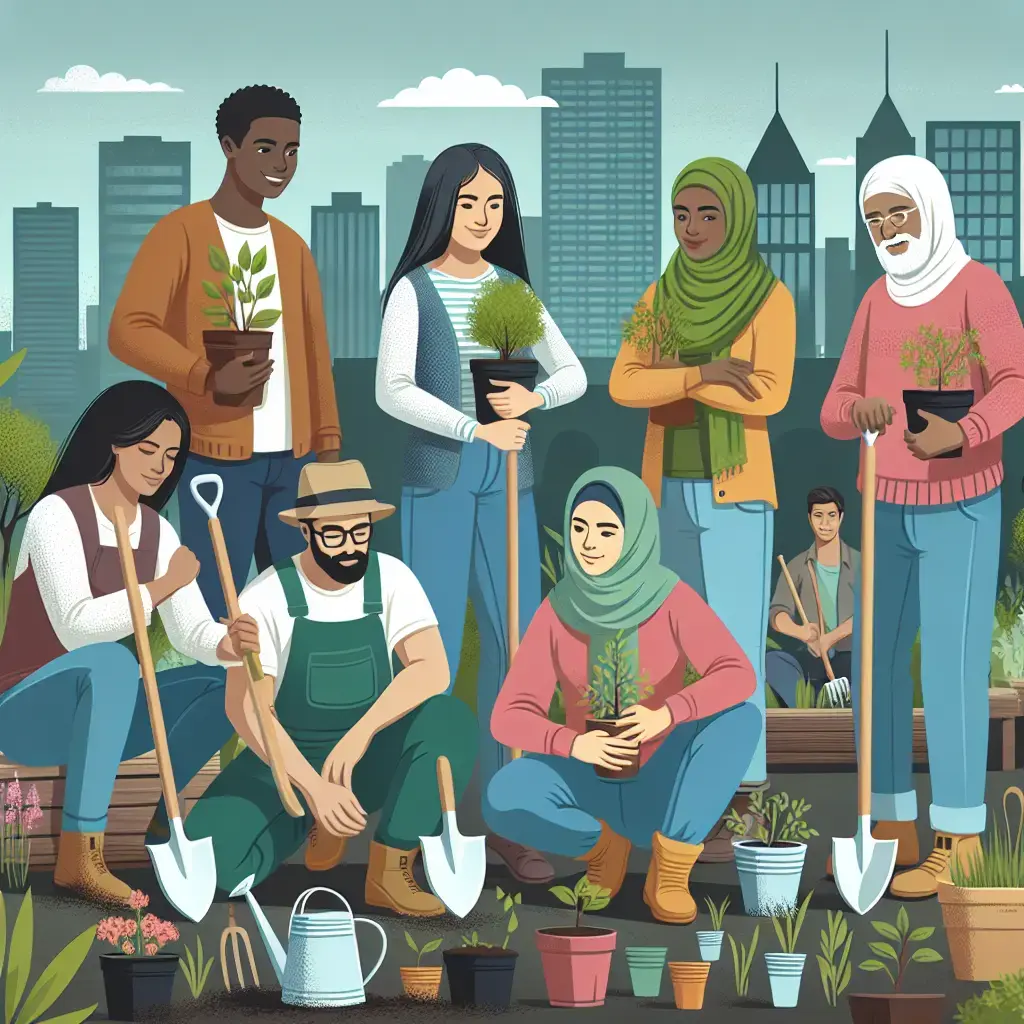
In the heart of every bustling city lies an opportunity to transform gray, neglected spaces into vibrant, flourishing gardens. Guerilla gardening is not just a trend; it's a movement that taps into the spirit of community engagement and environmental activism. As urban areas continue to grow, the need for sustainable gardening practices becomes ever more pressing. By starting a guerilla gardening group, you can inspire change and breathe life into your local community green spaces.
Imagine transforming abandoned lots into lush urban gardens teeming with life, creating sanctuaries that nurture both nature and community spirit. Organizing a gardening group not only fosters a sense of belonging among neighbors but also empowers individuals to participate in community projects that promote urban green initiatives. This form of gardening activism allows citizens to reclaim public spaces, turning them into productive community gardening sites that benefit everyone.
Guerilla gardening is accessible even for beginners, offering a platform for learning and growth while making a tangible impact on the environment. It presents a unique blend of local gardening group activities and public space gardening, where people from all walks of life can come together to cultivate sustainable practices. The act of planting seeds becomes a symbol of hope and resilience, illustrating how small acts of defiance can lead to significant change.
Starting a guerilla gardening group is not merely about planting; it's about fostering a deeper connection with your surroundings and understanding the importance of urban gardening. As you embark on this journey, you'll discover the power of community engagement and the potential for positive environmental change. Whether you're driven by a passion for environmental activism or a desire to beautify your neighborhood, guerilla gardening offers a fulfilling way to contribute to your community.
As urban landscapes continue to expand, the necessity for sustainable gardening practices becomes crucial. Starting a guerilla gardening group offers a unique opportunity to engage your community, beautify neglected spaces, and contribute to environmental activism. In this guide, we will delve into practical steps and strategies for establishing your own local gardening group, drawing on recent updates and insights from the field.
Understanding the Need for Guerilla Gardening
Guerilla gardening is more than just planting flowers in unused spaces; it’s a form of community engagement and environmental activism that reclaims urban areas for public use. With the increasing need for green spaces in cities, initiatives like these have gained popularity. According to a 2023 study by the American Planning Association, urban green initiatives contribute significantly to reducing pollution levels, promoting biodiversity, and improving mental health in densely populated areas.
Assessing Your Community's Needs
Before you start a guerilla gardening group, assess your community's needs. What areas are in dire need of greenery? Is there a community of potential volunteers eager to join this initiative? Conduct surveys or host community meetings to gather input. Engaging your neighbors early on can foster a sense of ownership and collective responsibility for future projects.
Building Your Core Team
Every successful movement begins with a dedicated team. Start by reaching out to friends, family, or local gardening enthusiasts who share your passion for community projects and sustainable gardening. A core team will help in organizing the group, planning activities, and spreading awareness about the benefits of urban gardening.
Securing Permissions and Understanding Legalities
While the spirit of guerilla gardening often involves spontaneous planting in neglected areas, it is essential to understand the legal implications. Some local governments may support your efforts if approached correctly. Research recent changes in local policies regarding public space gardening. For example, the 2023 update to New York City's Green Thumb Program now offers support and resources for community-led gardening projects, reflecting increasing institutional support for such initiatives.
Gathering Resources and Tools
Once permissions are sorted, gather necessary resources. Donations from local businesses, such as garden centers or hardware stores, can provide tools and plants. Engage with online platforms like Freecycle or community boards where people might offer used gardening supplies. Remember to consider eco-friendly and sustainable options when acquiring materials.
Planning Your First Guerilla Gardening Project
Choosing the right location for your first project is crucial. Consider starting with small spaces that can quickly demonstrate the benefits of guerilla gardening to the community. Create a detailed plan that includes:
- Site preparation: Clean up trash and assess soil quality.
- Plant selection: Choose native plants that are low-maintenance and beneficial to local wildlife.
- Design layout: Plan how plants will be arranged to ensure aesthetic appeal and ecological functionality.
Engaging the Community
Community engagement is the backbone of any successful guerilla gardening group. Use social media platforms like Facebook or Instagram to share your mission and progress, creating a virtual space for discussion and collaboration. Organize workshops or informational sessions on sustainable gardening techniques to attract gardening beginners.
Organizing Regular Meetings and Activities
Regular meetings keep the momentum going. Set up monthly or bi-monthly gatherings where members can discuss progress, brainstorm new ideas, and organize upcoming projects. Incorporating fun activities such as plant swaps or garden tours can maintain enthusiasm and participation.
Measuring Impact and Scaling Up
After completing a few projects, it’s vital to measure the impact of your efforts. Take before-and-after photos, document plant growth, and gather feedback from the community on improvements in their neighborhood environment. These data points can be used to attract more volunteers or even funding from local government bodies or non-profits interested in urban green initiatives.
Consider scaling up your operations by collaborating with other local organizations or schools interested in integrating sustainable gardening into their curriculum. This not only expands your reach but also educates future generations about environmental stewardship.
Highlighting Successful Case Studies
Examining successful guerilla gardening projects can provide valuable insights and inspiration. For instance, the "Incredible Edible" initiative in Todmorden, UK, started in 2008, has transformed public spaces into edible landscapes and has become a blueprint for similar projects worldwide (BBC News). Such examples illustrate the power of community-driven efforts in fostering sustainable urban environments.
Embracing Technology and Innovation
Incorporating technology can enhance your group's efficiency and reach. Use apps like iNaturalist to track plant biodiversity or social media analytics tools to measure engagement levels. Additionally, consider hosting virtual workshops on platforms like Zoom to reach broader audiences interested in learning about environmental activism and sustainable gardening practices.
Sustaining Long-term Interest and Impact
Sustaining interest in your guerilla gardening group requires ongoing creativity and adaptability. Encourage members to take ownership of different aspects of projects, fostering leadership skills within your community. Celebrate milestones publicly through local media outlets or newsletters to maintain visibility and highlight your group's positive impact on local green spaces.
Conclusion
Starting a guerilla gardening group is not just about planting seeds in neglected urban areas; it's about cultivating community spirit and advocating for environmental change. By following these steps—understanding community needs, building a dedicated team, engaging with legal requirements, gathering resources, and maintaining active community engagement—you can create a thriving network of green-thumbed activists eager to cultivate change in urban environments.
In a world increasingly defined by concrete jungles, guerilla gardening offers a beacon of hope—an opportunity for communities to reclaim their public spaces with creativity, resilience, and unity. As you embark on this journey of gardening activism, remember that every seed you plant is a step toward a greener future for all.
Together, let's cultivate change, one seed at a time.
Warm regards,
Emma Lawson