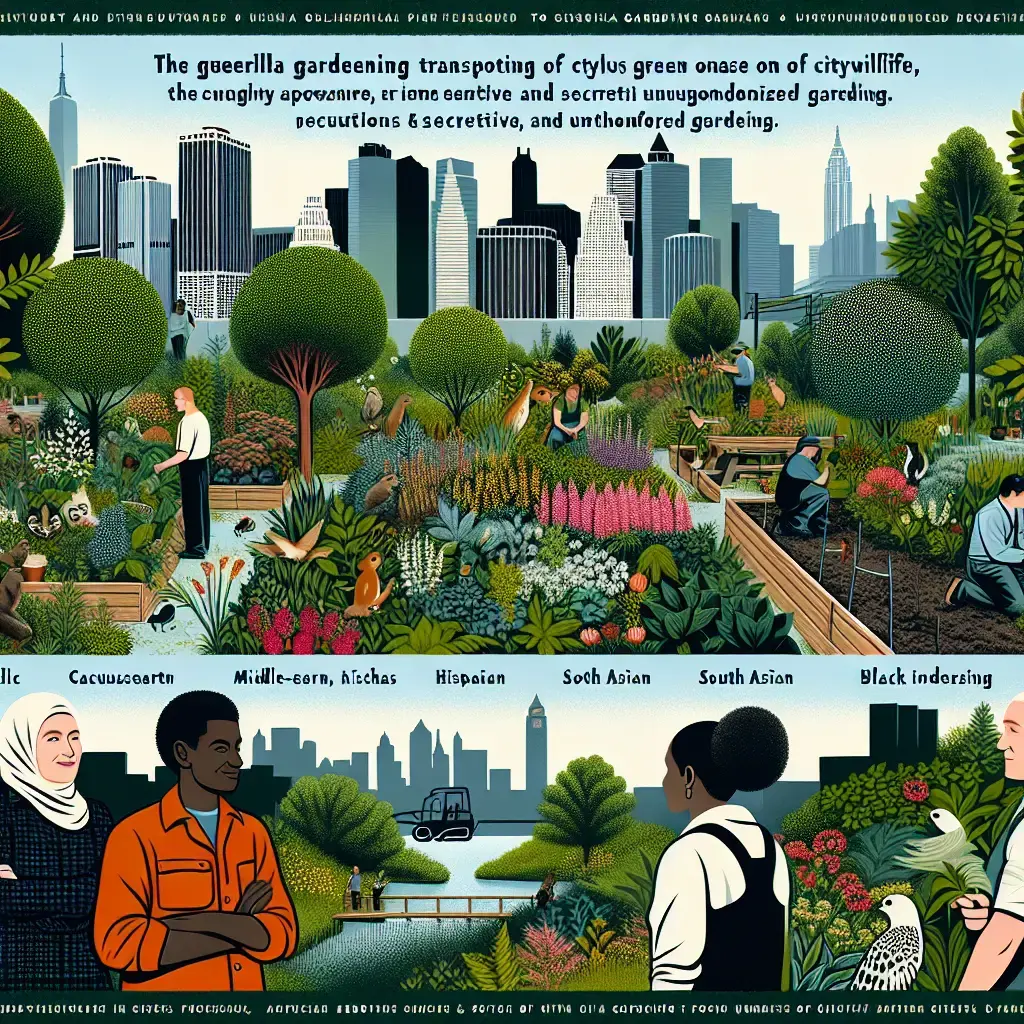
Guerilla Gardening: Enhancing Urban Biodiversity
In the bustling landscape of urban environments, where concrete jungles dominate and green spaces often seem like rare oases, guerilla gardening emerges as a powerful tool for enhancing urban biodiversity. This grassroots movement, driven by passionate individuals and community groups, aims to transform neglected urban areas into thriving ecosystems. By introducing native plants into these spaces, guerilla gardening not only beautifies urban landscapes but also offers significant benefits for urban wildlife.
In recent years, guerilla gardening has gained momentum as an impactful movement within urban spaces, addressing critical issues of biodiversity loss and urban wildlife conservation. As cities continue to grow and green areas diminish, the importance of innovative strategies like guerilla gardening becomes increasingly clear. This section delves into the multifaceted benefits of guerilla gardening for urban wildlife, exploring recent developments and how they contribute to urban ecosystem improvement.
Guerilla Gardening: A Tool for Enhancing Urban Biodiversity
Guerilla gardening involves planting native flora in neglected or overlooked urban areas. This practice not only beautifies these spaces but also introduces essential habitats for various species. According to a recent study by the Urban Ecology Research Institute, cities that incorporate guerilla gardening techniques see a marked increase in urban biodiversity. Native plants in urban areas provide food and shelter, which are crucial for sustaining local wildlife populations.
Moreover, the presence of native vegetation supports urban wildlife corridors, facilitating the movement of species across fragmented landscapes. This connectivity is vital for maintaining genetic diversity and resilience within urban wildlife populations. Recent projects in cities like London and New York have demonstrated the efficacy of guerilla gardening in creating such corridors, thereby significantly enhancing urban green spaces and contributing to broader urban wildlife benefits.
Urban Pollinators Support: A Critical Element
Pollinators play a crucial role in the health of ecosystems by aiding plant reproduction. However, urban environments often lack sufficient resources for these vital organisms. Guerilla gardening addresses this gap by creating pollinator-friendly habitats. Bees, butterflies, and other pollinators benefit from access to diverse plant species introduced through guerilla gardening efforts.
A 2023 article published by The Pollinator Partnership highlights several community-led guerilla gardening initiatives that have successfully bolstered urban pollinator populations. These projects have not only improved pollination rates but also enhanced the overall ecological balance within cities. By supporting pollinators, guerilla gardening directly contributes to urban ecosystem improvement and sustainability.
Community Engagement and Sustainable Practices
Community involvement is at the heart of successful guerilla gardening projects. These initiatives foster a sense of stewardship and responsibility among urban residents. By participating in these activities, individuals gain a deeper understanding of sustainable urban gardening practices and the importance of native plants in urban areas.
In Toronto, for instance, community guerilla gardening projects have transformed abandoned lots into vibrant green spaces that support a wide array of wildlife. The Toronto Green Network reports that such efforts have not only enhanced local biodiversity but also strengthened community bonds and empowered residents to take active roles in urban wildlife conservation.
Case Studies: Success Stories in Urban Wildlife Conservation
One notable example of successful guerilla gardening is found in Berlin's Tempelhof Field, where volunteers have created extensive gardens that serve as key wildlife habitats in urban areas. The Berlin Conservation Society notes that these efforts have led to a resurgence of native bird and insect species, illustrating the tangible advantages for urban wildlife.
Similarly, in Melbourne, Australia, the "Green Your Laneways" initiative has transformed narrow alleys into lush corridors teeming with life. This project underscores how strategic planting can create urban wildlife corridors that improve connectivity between isolated green spaces. Such initiatives highlight the transformative potential of guerilla gardening on urban environments.
Challenges and Future Directions
While the benefits of guerilla gardening are clear, challenges remain. Securing long-term maintenance and support for these gardens is crucial for their sustainability. Additionally, navigating regulatory frameworks can be complex; however, some cities are beginning to recognize the value of such grassroots movements and are adjusting policies to support them.
Looking ahead, the future of guerilla gardening lies in its ability to adapt and innovate. Incorporating technology, such as drone-assisted planting or data-driven biodiversity tracking, could enhance the efficiency and impact of these projects. By continuing to evolve and address challenges proactively, guerilla gardening can remain a vital strategy for promoting urban wildlife conservation.
Conclusion: Cultivating Urban Ecosystems Through Guerilla Gardening
As we face escalating threats to urban biodiversity, it is essential to embrace and support solutions like guerilla gardening. This movement not only enriches urban ecosystems but also strengthens community bonds and fosters environmental stewardship. By participating in local initiatives or starting your own projects, you contribute to creating sustainable and biodiverse urban landscapes.
So, what can you do to support this movement? Consider joining local community guerilla gardening initiatives or starting your own project. By getting involved, you contribute to enhancing urban green spaces and ensuring that cities remain vibrant habitats for all forms of life.
For more information on how you can participate or initiate a guerilla gardening project in your area, visit Guerilla Gardening International to connect with like-minded individuals dedicated to making a difference in our urban landscapes. Together, we can harness the power of guerilla gardening to reshape our cities into thriving ecosystems.
Author: Emma Lawson